 |
 |
 |
 |
 |
 |
 |
 |
 |
 |

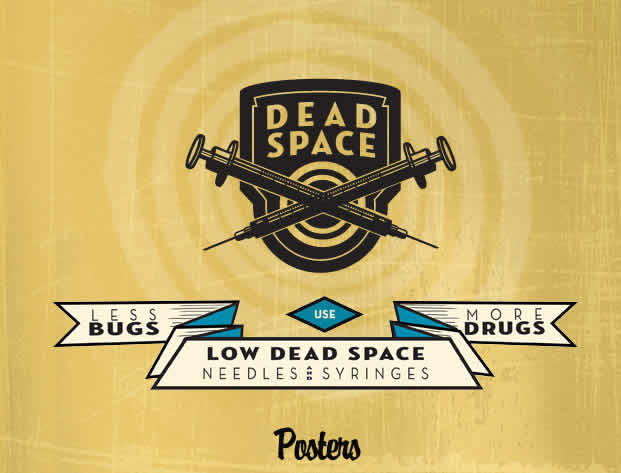
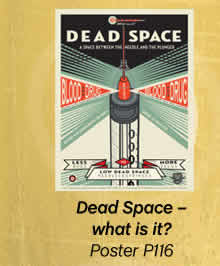
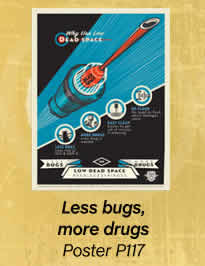
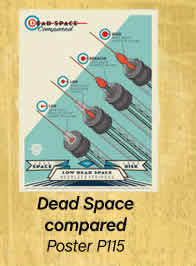
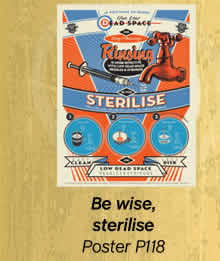
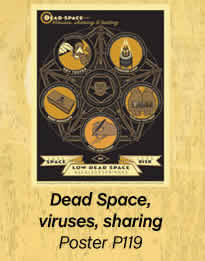
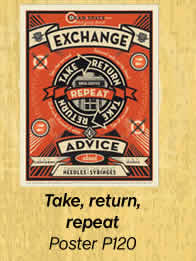
The outputs of a collaborative project using research findings to design resources to encourage the use of low dead space equipment, alongside broader harm reduction practices.
Funded by the Economic and Social Research Council (ESRC), Deborah Hussey, Assertive Engagement Worker from Bristol Drugs Project, joined the National Institute for Health Research Collaboration for Leadership in Applied Health Research and Care West (NIHR CLAHRC West) as Knowledge Mobilisation Fellow to develop these materials. The team's academic lead was Jo Kesten and communications expertise was brought by Zoe Trinder-Widdess.
Deborah visited needle and syringe programmes around the UK, from Glasgow to Wales, to understand barriers to the uptake of low dead space equipment, and how different programmes operate and share harm reduction messages. This information was used to develop the content of these materials.
I worked with the team to design the materials. Through a series of workshops, the materials were co-designed by service users from Bristol Drugs Project. They shaped the messages, language, look and feel of the materials. Their input ensured the images and language in all the materials would be understood by and resonate with people who inject drugs.
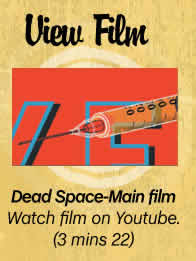
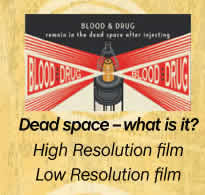
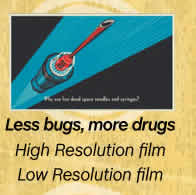
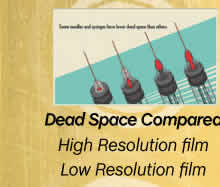
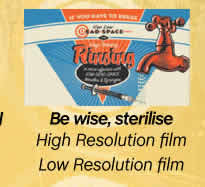
Short animations based on the materials can be downloaded from this page. This includes a longer video (3 mins 22) which contains all the messages and seven shorter films focussed on each message:
They are available in both high resolution, for use in needle and syringe programme receptions for example, and in lower resolution, suitable for sharing on social media.
The animations are also available to view on the NIHR CLAHRC West YouTube channel: http://bit.ly/CLAHRC-West-YouTube
These versions can also be embedded in websites.
The project was overseen by a steering group that included Bristol Drugs Project, Exchange Supplies, Public Health England, NIHR CLAHRC West and NIHR Health Protection Research Unit (HPRU) in Evaluation of Interventions. The views expressed are those of the researchers and not necessarily those of the NHS, the NIHR, the Department of Health and Social Care, Public Health England or the ESRC.
Special thanks are extended to the needle and syringe programmes and service users that participated.
This work is supported by the Economic and Social Research Council - Grant ES/M500410/1 and NIHR.
 |
 |
|
|
|
 |
|
|
|
 |

|
|
|
 |
 |
 |
 |
 |

|
|
|
 |
|
|
|
 |
|

|

|
 |
 |